

How to Stop Graphic Tees Shrinking: A Complete Guide
Table of Contents
- Why Graphic Tees Shrink and What Damages Them
- How to Wash Graphic Tees Without Cracking
- Drying Methods That Prevent Shrinkage
- How to Choose the Right Shirt Size for Long-Term Fit
- How to Fix a Shrunken Shirt
- Fabric Types and Their Reaction to Heat
- Conclusion
Last Updated: August 25, 2026
Why Graphic Tees Shrink and What Damages Them
Graphic tees shrink because cotton fibers relax and contract when exposed to heat and moisture. This thermal contraction happens naturally in hot water or high-heat dryers. The problem extends beyond shrinkage itself: graphic ink, screen prints, and fabric tension all suffer during this process.
Heat is the primary culprit. Cotton fibers are held in specific tension during manufacturing, and hot water causes them to relax and contract, shrinking the entire garment. A single hot wash cycle can permanently alter your shirt's fit.
How Heat Causes Shrinkage
Higher temperatures cause greater fiber relaxation. Cotton shrinks most aggressively in the first few washes, making early care critical. Even warm water (80-90°F) triggers some shrinkage; cold water (below 65°F) minimizes this risk significantly.
Machine drying compounds the problem. Tumble dry high can shrink a shirt 5-10% in one cycle (peer-reviewed research). Once fibers contract, stretching them back is difficult and rarely permanent. Air drying is the gold standard for preserving fit and graphic integrity.
Graphic Ink Types and Cracking Risk
Screen-printed graphics are vulnerable to heat differently than the base fabric. When fabric underneath contracts, the ink layer can't move with it, creating stress that leads to cracking, peeling, and fading. Water-based inks are more flexible than plastisol inks, but both suffer from excessive heat. Direct-to-garment printing (DTG) offers better durability because ink bonds more deeply with fabric, though even DTG designs can fade or crack with repeated high-heat exposure.
Graphic damage appears as tiny cracks radiating from design edges or across high-stress areas. Once formed, cracks worsen with every wash. Prevention is far easier than repair.
How to Wash Graphic Tees Without Cracking
Minimize agitation, avoid heat, and use gentle detergents. These three factors protect both garment fit and graphic quality.
Cold Water Rinse and Mild Detergent
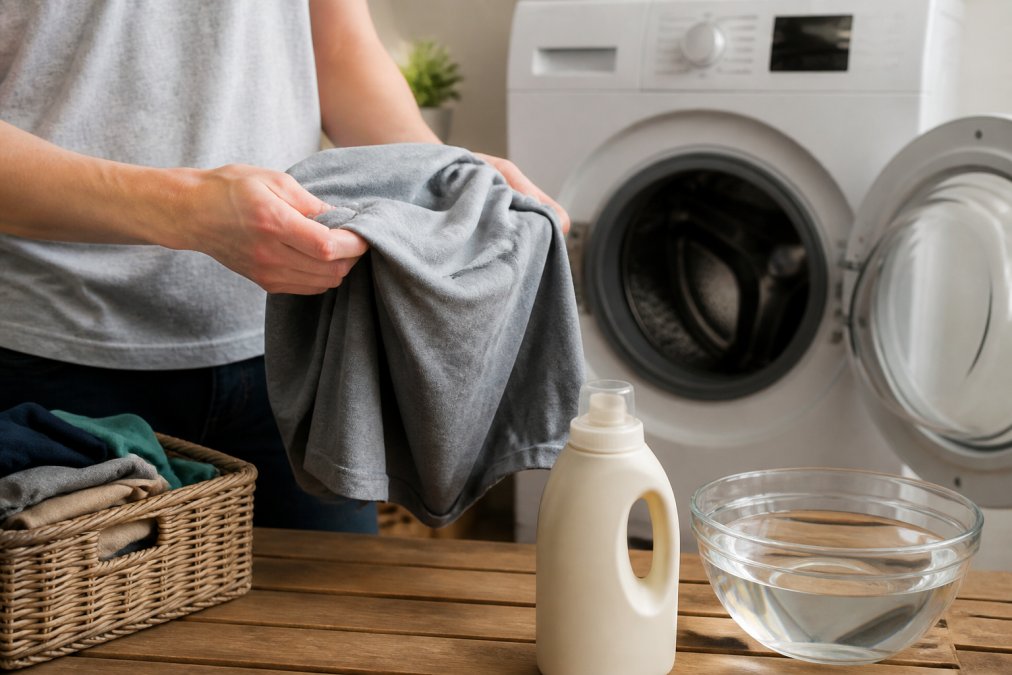
Always wash graphic tees in cold water to prevent thermal shock and fiber relaxation. Pair this with mild detergent, avoid heavy-duty or oxygen-based cleaners, which fade graphics and weaken fibers. Regular detergent at half the recommended dose is acceptable.
Cold water (below 65°F) is ideal. Warm water (70-80°F) is acceptable in a pinch, but hot water should never touch a graphic tee. Even one hot wash permanently alters fit.
Turn Garments Inside Out Before Washing
Turning your shirt inside out protects the graphic from direct friction with the wash drum and other garments. The back of the shirt, which has no graphic, takes the wear instead. This single habit extends graphic life by years.
Gentle Wash Cycles and Reduced Agitation
Use a delicate or gentle wash cycle instead of standard. Delicate cycles use less agitation and shorter spin times, reducing stress on fabric and graphic. If your machine has a hand-wash setting, use it. Some people hand-wash favorite graphic tees in a sink with cold water and mild detergent, then gently squeeze out excess water, about five minutes for maximum protection.
Avoid fabric softeners, bleach, and cleaning boosters. These fade graphics and weaken ink-to-fabric bonds. Stick to cold water and mild detergent.
Drying Methods That Prevent Shrinkage
How you dry your shirt matters as much as how you wash it. The dryer is convenient but the fastest way to shrink and damage a graphic tee. Air drying takes longer but preserves fit and graphic quality.
Air Dry vs. Machine Drying
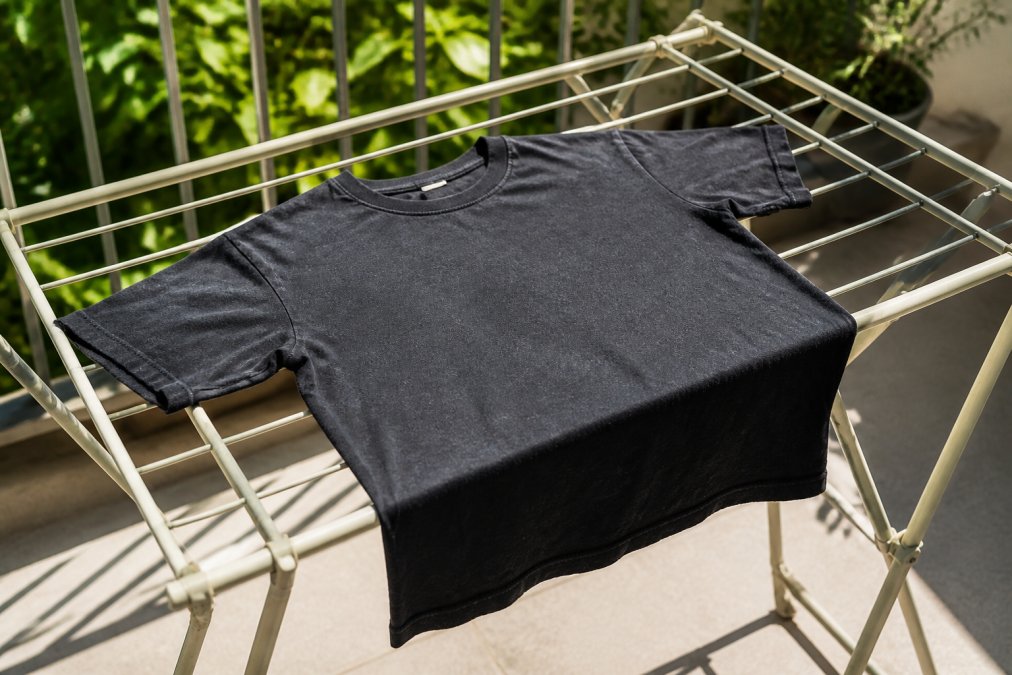
Air drying is the clear winner. Lay the shirt flat on a clean surface or hang it on a clothesline away from direct sunlight. Flat drying is preferable because it prevents fabric from stretching under its own weight. The process takes 4-8 hours depending on humidity and air circulation.
Machine drying, even on low heat, causes shrinkage. Even a single dryer cycle on low can shrink a shirt 2-5% (peer-reviewed research). Machine-dried shrinkage is permanent; air-dried shirts maintain original fit indefinitely.
Tumble Dry Low and Heat Settings
If you must use a dryer, tumble dry low is the only acceptable setting. Never use high or medium heat. Remove the shirt while still slightly damp and hang it or lay it flat to finish drying. This hybrid approach reduces dryer time while minimizing heat damage.
Some machines have an air-dry setting using no heat, only tumbling and air circulation. It's slower than low heat but safer for graphic integrity.
How to Choose the Right Shirt Size for Long-Term Fit
Most graphic tees shrink 3-5% in length and width over their first few washes, even with perfect care (peer-reviewed research). A shirt fitting perfectly fresh from the package may feel snug after a month of regular washing. Ordering a half-size or full-size larger accounts for natural shrinkage without compromising fit.
Check the care tag before ordering. If it recommends cold water washing and air drying, the manufacturer expects some shrinkage. At StumbleRump, we design graphic tees with quality materials that minimize shrinkage. However, some shrinkage is inevitable.
How to Fix a Shrunken Shirt
Sometimes shrinkage happens anyway. Fixing a shrunken shirt is possible, but results vary depending on shrinkage amount and fabric type.
Reversing Shrinkage with Gentle Stretching
The most effective method for minor shrinkage is gentle stretching while the shirt is damp. After washing in cold water, gently squeeze out excess water and lay it flat on a clean towel. While damp, gently pull the shirt lengthwise and widthwise, stretching it back toward original dimensions.
This works best immediately after washing, when fibers are most pliable. The process can recover 30-50% of lost length and width for minor shrinkage. Some people use blocking: lay the damp shirt on a flat surface and pin edges to hold desired dimensions while it dries over 8-12 hours.
When Shrinkage Is Permanent
Severe shrinkage (more than 10% loss) is usually permanent. Once cotton fibers fully contract and the shirt dries, reversing that shrinkage risks damaging the graphic and weakening fabric further. You can attempt gentle stretching while damp, but expect limited results. Alternatively, repurpose the shirt as sleepwear or workout clothes.
Prevention is far more effective than reversal. Once you understand why shrinkage happens and how to stop it, you'll rarely face this problem.
Fabric Types and Their Reaction to Heat
Not all fabric blends shrink equally. Pure cotton shrinks most, typically 3-8% in the first few washes. Cotton-polyester blends (50/50 or 80/20) shrink less because polyester fibers don't relax under heat like cotton does. A 50% polyester shirt might shrink only 1-3%.
Synthetic blends with elastane or spandex add stretch and recovery, resisting shrinkage better than pure cotton. However, high heat still damages them, and graphics can crack regardless of base fabric.
The care tag lists fiber content. A 100% cotton shirt requires stricter temperature control than a 70/30 cotton-poly blend. Knowing this upfront lets you adjust your approach accordingly.
Protecting graphic tees from shrinkage is straightforward once you understand the mechanics. Cold water, mild detergent, gentle agitation, inside-out washing, and air drying form a complete system. The effort is minimal, perhaps an extra minute per wash cycle, but the payoff is significant: your shirts maintain their fit and graphics stay vibrant for years.
StumbleRump graphic tees are built with quality in mind, and proper care ensures they deliver on that promise. Start with the right size, follow these washing and drying methods, and you'll stop graphic tees shrinking from becoming a recurring frustration.
| Prevention Method | Best For | Time Required | Effectiveness |
|---|---|---|---|
| Cold water washing | All fabrics | 1 minute | High |
| Inside-out washing | Graphic protection | 30 seconds | High |
| Gentle wash cycle | Fabric preservation | Automatic | High |
| Air drying | Shrinkage prevention | 4-8 hours | Very High |
| Tumble dry low | Quick drying | 20-30 minutes | Moderate |
| Gentle stretching (damp) | Minor shrinkage reversal | 10 minutes | Moderate |
Frequently Asked Questions
Q: How do I stop my t-shirts from shrinking in the wash?
A: Use cold water, turn your graphic tee inside out, and select a gentle wash cycle with minimal agitation. Avoid hot water entirely, as thermal contraction is the primary cause of shrinkage. Air dry instead of using the dryer whenever possible. These steps protect both the fabric and the graphic integrity of your shirt.
Q: Can you stretch a graphic tee back out after it shrinks?
A: Minor shrinkage can sometimes be reversed through gentle stretching while the garment is damp. Lay the shirt flat, gently pull it to the desired size, and allow it to air dry. However, permanent heat setting in synthetic blends or severe shrinkage in 100% cotton is difficult to reverse. Prevention is always more effective than attempting to fix damage after it occurs.
Q: Does hot water ruin graphic tees?
A: Hot water accelerates both shrinkage and graphic damage. High heat cycles cause cotton fibers to contract and can cause screen print inks to crack or fade. Even warm water poses risks. Cold water rinses preserve fabric tension and graphic integrity, making them essential for protecting your graphic tees from permanent damage.
Q: Why do some cotton shirts shrink more than others?
A: Shrinkage rate depends on fabric composition, weave density, and how the cotton was processed. 100% cotton shrinks more than synthetic blends because natural fibers relax when exposed to heat and moisture. Pre-shrunk fabrics have undergone heat setting during manufacturing to reduce fiber relaxation. Check garment care labels to understand your specific shirt's shrinkage potential.
This article was written using GrandRanker