

What Makes High Quality Graphic Tees: Fabric, Ink & Fit
Table of Contents
- What Makes High Quality Graphic Tees: The Quality Markers That Matter
- The Best Fabric for Graphic Tees and How to Choose Right Shirt Size
- How to Wash Graphic Tees to Prevent Fading
- Print Methods, Ink Types, and What They Mean for Durability
- Design Composition, Color, and the Streetwear Aesthetic
- Fit, Silhouette, and Neckline Integrity
- Aging, Patina, and Why Some Tees Get Better With Time
- Sustainability and Ethical Manufacturing: The Quality Marker Nobody Checks
- How to Spot a High Quality Graphic Tee Before You Buy
- Frequently Asked Questions
Last Updated: September 16, 2026
What Makes High Quality Graphic Tees: The Quality Markers That Matter
High quality graphic tees are built from heavyweight cotton, durable ink, and stitching that survives the wash cycle. This StumbleRump guide covers the fabric weights, ink types, and construction details that separate a shirt you'll wear for years from one that fades by August.
The Best Fabric for Graphic Tees and How to Choose Right Shirt Size
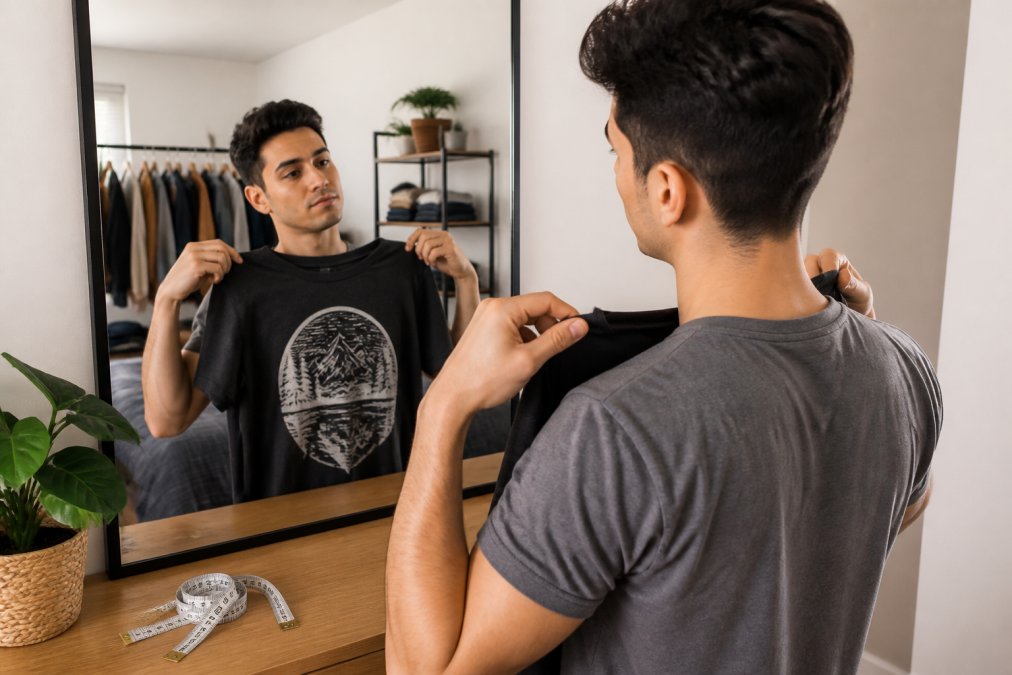
The best fabric for graphic tees is 100% ring-spun cotton in the 6 to 7 oz range, or a cotton-poly blend for less shrinkage; a 60/40 blend is the common compromise between breathability and color retention.
| Fabric Type | Weight Range | Best For | Trade-off |
|---|---|---|---|
| Ring-spun cotton | 6-7 oz | Soft hand-feel, breathability | Shrinks if not pre-shrunk |
| Cotton-poly blend | 5.5-6.5 oz | Print durability, low shrinkage | Less breathable |
| Tri-blend | 4-5 oz | Vintage-style art, drape | Thinner, less durable |
How to Wash Graphic Tees to Prevent Fading
Wash graphic tees inside out in cold water on a gentle cycle, then hang or lay flat to dry, since heat breaks down plastisol ink and fades water-based prints faster than anything else. Water-based ink soaks into fabric and feels soft but fades gradually; plastisol sits on top, holds color longer, and can crack if stretched or overheated.
Print Methods, Ink Types, and What They Mean for Durability
Print durability comes down to ink chemistry and application: screen printing remains the standard for bold, high-saturation graphics, while water-based and discharge printing feel softer but fade faster and work best on lighter fabrics. Direct-to-garment (DTG) suits small runs and detailed art, though the print can crack with heavy wear.
Design Composition, Color, and the Streetwear Aesthetic
Design composition decides whether a graphic reads as wearable art or a cluttered mess. Strong graphic tees use clear focal points, balanced negative space, and a limited palette: vintage-style art leans on muted tones and distressed textures, while streetwear aesthetic favors bold, oversized prints and high-contrast color.
Fit, Silhouette, and Neckline Integrity
Fit profile is where most graphic tees fail: classic, slim, and oversized each change how a graphic reads. Neckline integrity is the quiet quality marker: a ribbed collar with a reinforced seam holds its shape, while a thin single-stitch collar stretches out within weeks. Consistent construction details like these serve as the foundation for identifying quality graphic tees that maintain their intended silhouette over years of regular wear.
Aging, Patina, and Why Some Tees Get Better With Time
A quality tee develops a soft, broken-in hand-feel while holding its structure; a cheap tee just gets thin, pilled, and misshapen. Long-staple ring-spun cotton resists pilling, and double-needle stitching with taped shoulder seams keeps the shape, while pre-shrunk cotton and cotton-poly blends hold their size better than untreated cotton.
Sustainability and Ethical Manufacturing: The Quality Marker Nobody Checks
Sustainability is the quality marker most shoppers skip, yet ethical manufacturing and responsible dyeing affect both longevity and real cost. Look for transparency about fiber sourcing, dye processes, and factory conditions; a brand willing to tell you where its cotton comes from usually cares about what happens after you buy.
How to Spot a High Quality Graphic Tee Before You Buy
Check fabric weight, stitch quality, and ink type before you commit.
- Fabric weight is 6 oz or higher (or 180 GSM+)
- Fiber content is ring-spun cotton or a quality blend
- Neckline has a ribbed collar with reinforced stitching
- Shoulder seams are taped, not raw
- Side seams are present (not tubular)
- Print feels soft to the touch, not thick and plastic-y
- Size chart lists chest width and body length
- Care instructions recommend cold wash and low heat
Frequently Asked Questions
What fabric weight is best for high quality graphic tees?
Look for heavyweight cotton in the 5.5 to 6.5 oz range, or roughly 180 to 220 GSM. That weight holds a printed design without going sheer, drapes well, and resists the twisting and shrinking that thin 4 oz shirts show after a few washes. Ring-spun cotton feels softer than carded cotton at the same weight, and a small percentage of polyester can improve shrinkage resistance and color fastness.
How can you tell if a graphic print will crack or peel?
Check the ink type and how it sits on the fabric. Water-based ink soaks into the fibers and ages into a soft, vintage-style wash-out effect rather than flaking. Plastisol ink sits on top of the fabric and can crack if it was cured poorly or applied too thick. Run your thumb across the print: if it feels like a raised plastic sheet, expect cracking. Also look for double-needle stitching and taped shoulder seams, since garment construction predicts how the print survives washing.
How should a high-quality graphic tee fit on the body?
The shoulder seam should land at the edge of your shoulder, not hang past it. The neckline should sit flat without gaping, and the design should stay centered on your chest after a wash. A good fit profile leaves a fist of room at the waist for a relaxed streetwear aesthetic, or hugs closer for a fitted look. Check the size chart before ordering, since unisex cuts run boxier than women's cuts, and measure a shirt you already like.
The challenge with graphic tees is that quality isn't visible in a thumbnail. You have to know what to look for: fabric weight, stitch quality, ink type, and fit. StumbleRump builds funny party tees with bold, original designs for men and women, made for beach days, festivals, and social gatherings where you want to stand out. Our shirts are made for people who value comfort and personality in the same purchase. Browse the StumbleRump collection and find a shirt that starts a conversation.