

How to Spot High Quality Apparel: A 2026 Guide
Table of Contents
- How to Spot High Quality Apparel: What Actually Matters
- How to Check Fabric Quality and Fiber Content
- Signs of Poor Quality Clothing: Red Flags to Avoid
- How to Choose the Right Shirt Size for Fit and Longevity
- Frequently Asked Questions
Last Updated: September 2, 2026
How to Spot High Quality Apparel: What Actually Matters
High quality apparel isn't about brand names or price tags, it's about construction details that signal durability and craftsmanship. Most shoppers can't tell the difference between a shirt that'll fall apart in six months and one that'll last a year of regular wear. This guide walks you through the specific markers that separate quality from mediocrity.
How to Check Fabric Quality and Fiber Content
The foundation of any quality garment starts with the fabric itself. Check the fiber content label first. Natural fibers like cotton, linen, and wool breathe better and age more gracefully than synthetic blends, though quality synthetics work well for performance wear (peer-reviewed research).
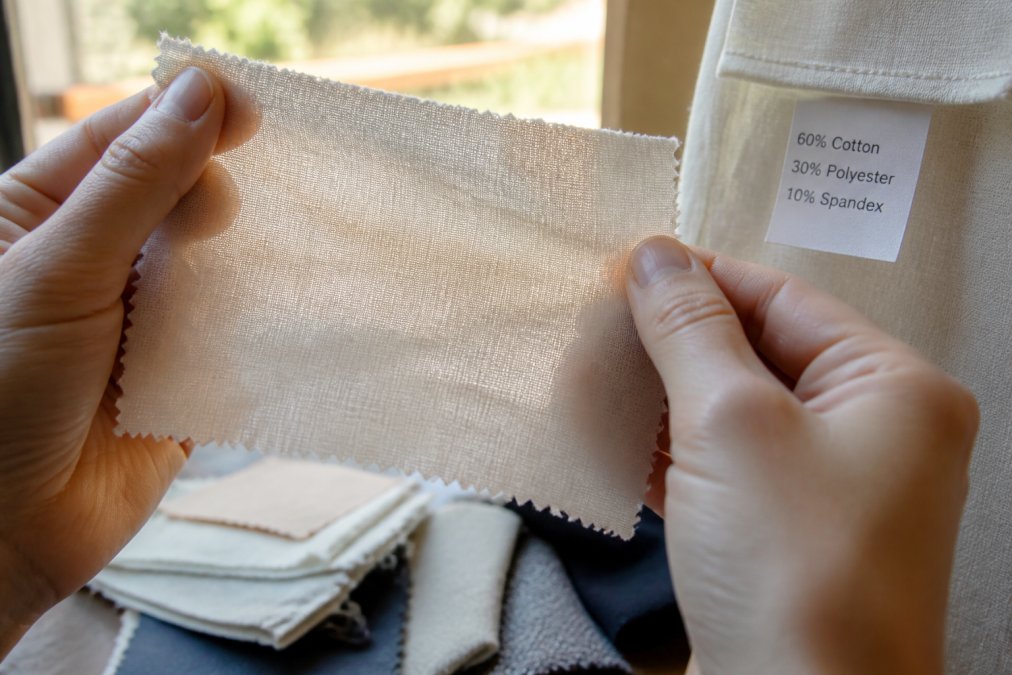
Feel the fabric with your fingers. A high-quality cotton shirt should feel soft but substantial, not thin or papery. Run your thumb across the weave, dense, tight weaves resist pilling and snagging better than loose ones. Check opacity by holding the garment up to light. Poor-quality fabrics are nearly transparent, signaling inadequate weight and density. Quality pieces feel structured and intentional.
Signs of Poor Quality Clothing: Red Flags to Avoid
Poor stitching is the fastest way to spot a garment that won't survive regular wear. Examine the seams closely. Quality seams have consistent stitch density, typically 12-16 stitches per inch, evenly spaced and tight (astm.org). Look for serging (finished seam edges) on quality pieces. Unfinished edges fray easily and signal corners cut in construction.
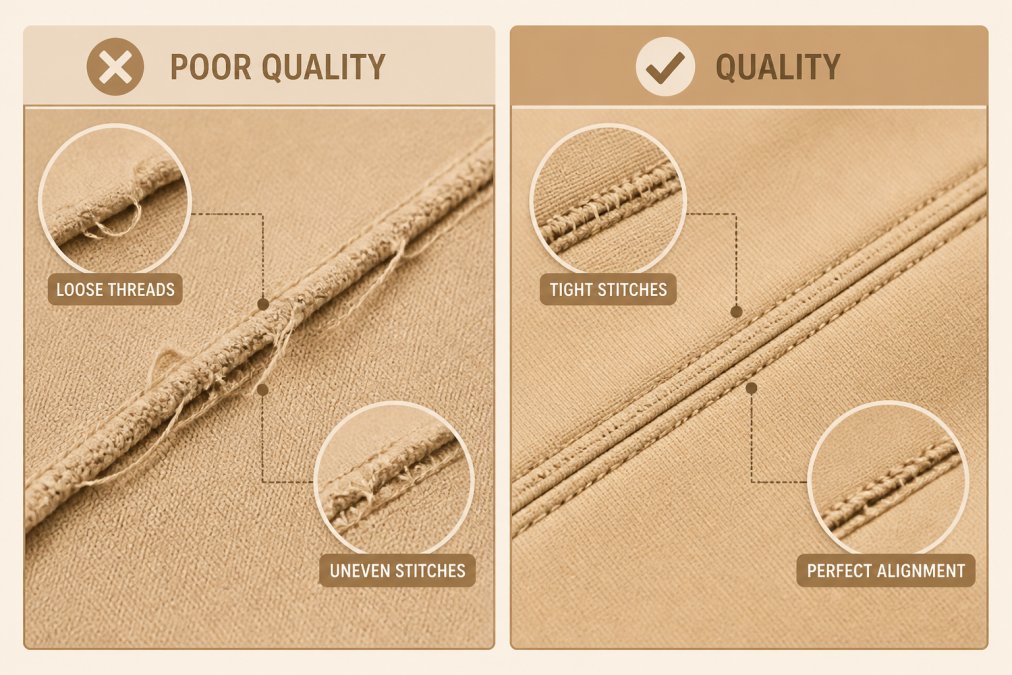
Check the hems, quality hems are reinforced with multiple rows of stitching and sit flat. Look at necklines and armholes; these high-stress areas should have reinforcement stitching and binding. Inspect buttons and hardware. Quality buttons have a shank (small post underneath) that creates space between button and fabric, preventing thread stress. Zippers should move smoothly without catching.
How to Choose the Right Shirt Size for Fit and Longevity
Fit directly impacts how long a shirt lasts. A shirt that's too tight stretches seams excessively with every movement. A shirt that's too loose bunches awkwardly and can snag. The right fit means the garment moves with your body without tension or excess fabric.
Check the shoulder seams, they should sit right at the edge of your shoulders. Sleeve length should end at your wrist when your arms hang naturally. Chest and waist should have enough room to move comfortably without pulling. Consider shrinkage: pure cotton can shrink 3-5% after washing, while quality cotton blends shrink less (the FTC). Quality construction respects the grainline (direction of the weave), so seams run straight and the garment hangs evenly.
Spotting high quality apparel comes down to knowing where to look: fabric weight, seam construction, hardware durability, and proper fit. These details separate pieces you'll wear for years from ones that fall apart. When you're shopping with StumbleRump, you're getting apparel designed to last, with intentional construction that holds up through real-world wear.
Frequently Asked Questions
Q: What are the tell-tale signs of high-quality fabric?
A: High-quality fabric has consistent weight throughout, resists pilling after multiple washes, and maintains opacity when held to light. Natural fibers like cotton or quality blends with minimal synthetics typically outlast cheap polyester-heavy blends. Run your hand across the surface; quality fabric has a smooth hand-feel without snags or loose fibers.
Q: How do I know if a shirt will shrink after washing?
A: Check the care label first, if it says 'lay flat to dry' or 'cold water only,' the garment is more likely to shrink. Pre-shrunk cotton blends shrink less than raw cotton. Test the fabric yourself: squeeze a small area firmly for 10 seconds and release. If wrinkles disappear quickly, the fabric has good recovery and less shrinkage risk. Garments with reinforced seams and proper interfacing can also resist shrinkage better because the construction supports the fibers.
Q: Does a higher price tag always mean better quality apparel?
A: Not necessarily. Price reflects brand markup, marketing, and supply chain costs, not just material quality. A mid-priced shirt with high stitch density, natural fiber content, and reinforced seams can outperform an expensive garment with thin fabric and poor construction. Look beyond the price tag: examine the fiber content, check the stitching quality, and read care instructions. Many affordable brands deliver genuine durability by focusing on construction over branding.